Qualcomm XPAN Audio Technology: New Products and Updates on the Horizon
Introduction: The Quiet Phase of XPAN
For over a year, the Qualcomm XPAN (eXtended Personal Area Network) technology seemed to have gone silent. After its initial launch as a promising alternative to traditional Bluetooth audio, no major manufacturer released new XPAN‑enabled products. This left many in the audio industry wondering whether the technology had been shelved. However, recent developments from Qualcomm indicate that XPAN is very much alive and that new devices—as well as updated versions of the technology itself—are in the pipeline.
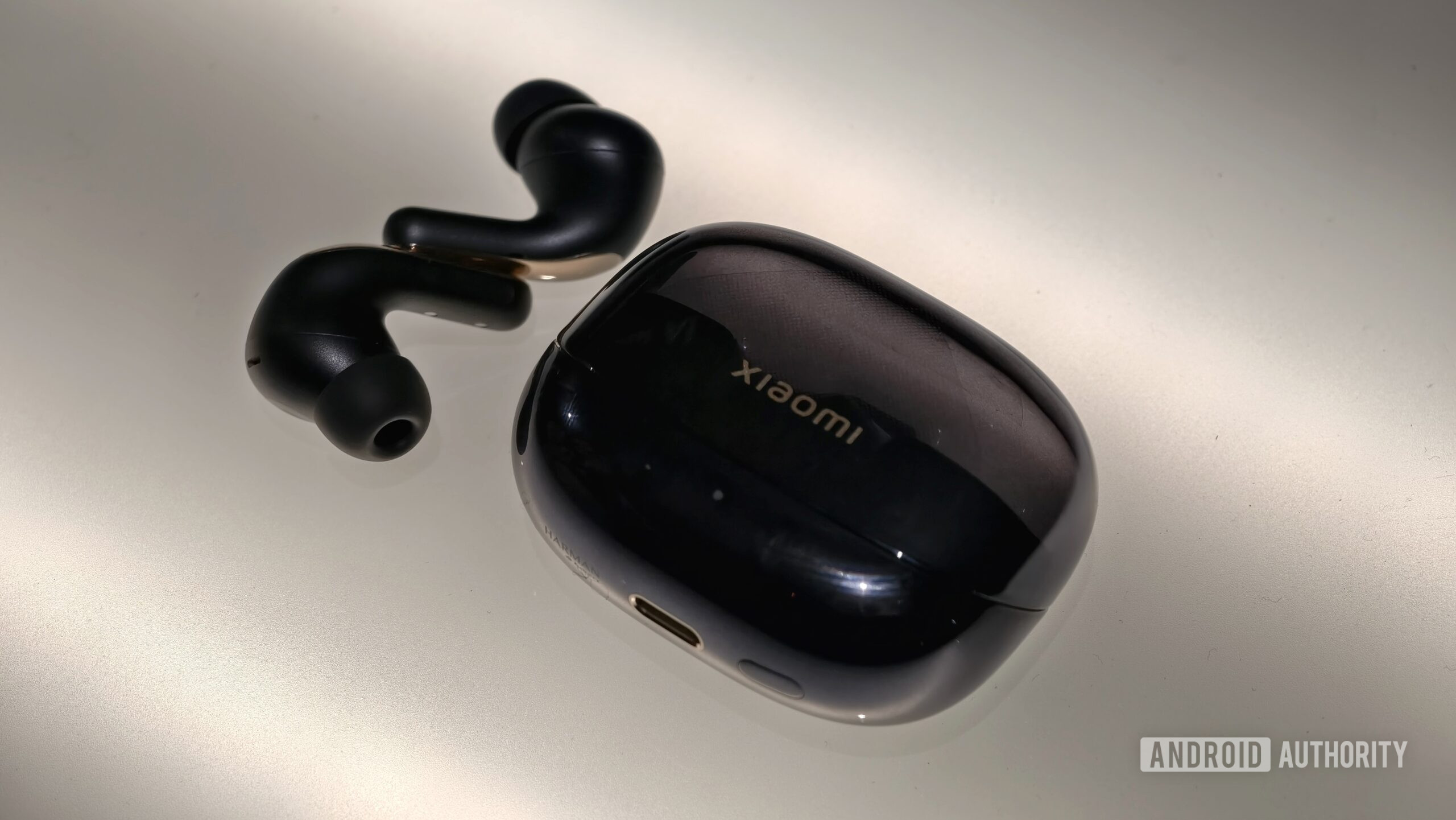
What Is XPAN and How Does It Work?
XPAN is a proprietary Qualcomm technology that leverages Wi‑Fi to transmit audio data instead of relying solely on Bluetooth. By using Wi‑Fi’s broader bandwidth and longer range, XPAN offers several distinct advantages over conventional wireless audio solutions:
- Extended range: Wi‑Fi signals can travel farther than Bluetooth, allowing users to roam freely without losing connection.
- Improved stability: Wi‑Fi networks are less prone to interference from other devices, resulting in fewer dropouts and glitches.
- Higher data throughput: Wi‑Fi enables transmission of higher‑quality audio streams, including lossless and high‑resolution formats.
In practice, XPAN works by seamlessly switching between Bluetooth and Wi‑Fi, depending on the user’s needs and network conditions. When a device is near the source, Bluetooth is used for low‑power, short‑range transmission. As the user moves further away, XPAN hands off the connection to Wi‑Fi, maintaining uninterrupted playback.
The Long Pause: Why No New Products for Over a Year?
The last wave of XPAN‑enabled products came from major manufacturers like Realme and JBL, but since then, the pipeline has been dry. Several factors may have contributed to this hiatus:
- Market adoption: Bluetooth remains the dominant standard for wireless audio, and convincing manufacturers and consumers to switch to a new technology takes time.
- Technical refinement: Qualcomm likely used the quiet period to improve XPAN’s performance, power efficiency, and compatibility with existing Wi‑Fi networks.
- Partner readiness: Some device makers may have been waiting for more robust support from Qualcomm before committing to new product lines.
Despite the silence, Qualcomm has confirmed that the technology has not been abandoned.
Qualcomm’s Announcement: New XPAN Products Are Coming
During a recent media briefing, Shamly N.V., a Qualcomm representative, directly addressed the question of future XPAN products. When asked whether more XPAN‑enabled devices are expected in 2026 and beyond, the answer was a definitive yes. Qualcomm is not only working with partners to launch new devices but also developing updated versions of XPAN that will bring enhanced features and broader support.
This news provides reassurance to both manufacturers and early adopters who invested in XPAN‑compatible hardware. The technology’s potential to overcome Bluetooth’s limitations—especially in home audio and multi‑room setups—remains compelling.
What to Expect from Next‑Generation XPAN Products
Although Qualcomm hasn’t revealed specific product names or release dates, several improvements are likely based on industry trends and the company’s roadmap:
- Lower latency: New versions of XPAN are expected to reduce audio delay, making the technology suitable for gaming and live performances.
- Better battery life: Power management optimizations will help wireless earbuds and headphones last longer even when using Wi‑Fi transmission.
- Multi‑device support: Future XPAN products may allow seamless switching between multiple devices—a feature that current Bluetooth implementations often struggle with.
- Integration with smart home ecosystems: XPAN could become a key component in whole‑home audio systems, enabling synchronized playback across multiple speakers without a central hub.
The Road Ahead: XPAN in 2026 and Beyond
The timeline for new XPAN products remains unconfirmed, but Qualcomm’s announcement suggests that 2026 could see the return of this technology in consumer markets. With the ongoing demand for high‑fidelity wireless audio and the rise of spatial audio formats, XPAN’s Wi‑Fi backbone offers a clear path to meeting those requirements.
Manufacturers looking to differentiate their products—especially in the premium segment—may turn to XPAN to provide a superior user experience. For consumers, the promise of lossless wireless audio without the range anxiety of Bluetooth is a significant selling point.
Conclusion
Qualcomm’s confirmation that new XPAN‑enabled products and updated technology are on the way ends a year‑long silence that had left many wondering about the future of Wi‑Fi audio. While Bluetooth remains ubiquitous, XPAN’s advantages in range, stability, and audio quality could help it carve out a niche—and potentially become a standard for high‑end wireless audio devices. As 2026 approaches, audio enthusiasts can look forward to a new generation of products that leverage Wi‑Fi to deliver a seamless, high‑quality listening experience.
For more insights into Qualcomm’s audio technologies, see our related articles on Snapdragon Sound and aptX Adaptive.