Plex Price Increases Confirm Jellyfin as the Superior Self-Hosting Choice
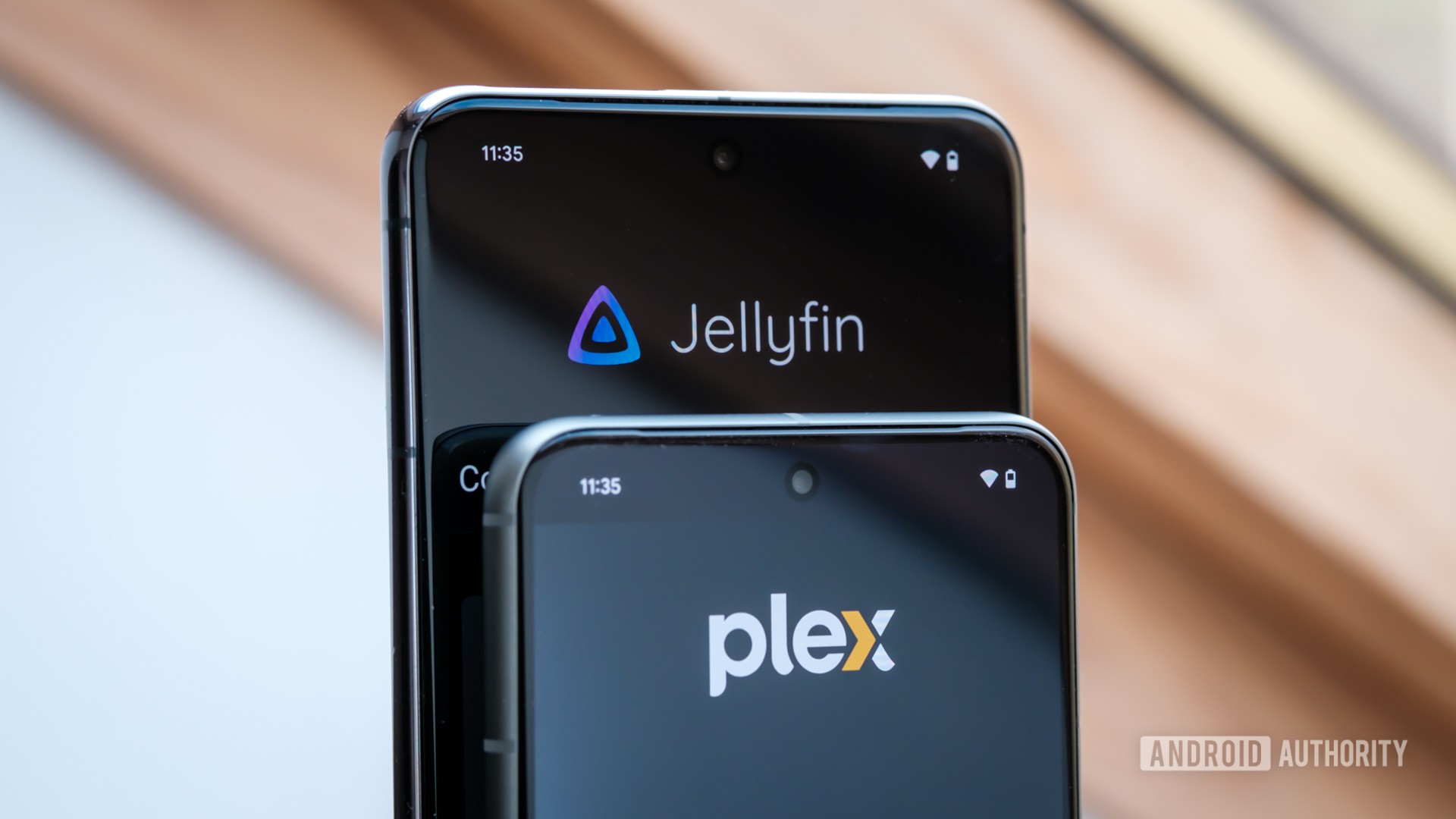
Streaming your own media collection over the internet has long been a cornerstone of the self-hosting movement. But recent changes at Plex—specifically, another round of price hikes for remote access—have left many users questioning whether the platform still aligns with the principles of ownership and independence. For me, these developments only reinforce a decision I made years ago: switching to Jellyfin.
The Price Hike: What’s Changing and Why It Matters
Plex recently announced that it will increase subscription fees for Plex Pass, the premium tier that enables key features such as hardware transcoding, offline downloads, and—most critically—remote streaming of your own content. While the exact dollar amounts vary by region, the trend is unmistakable: the cost of accessing your own media is rising. For a service that originally pitched itself as a way to break free from subscription models, this feels like a betrayal of its core mission.
What Plex Used to Promise
When Plex first gained popularity, its appeal was straightforward: you buy the software once (or use the free tier) and host your library on your own hardware. The idea was to liberate users from the monthly fees demanded by Netflix, Hulu, and others. Yet today, to stream your movies or TV shows while away from home, you need a Plex Pass subscription—a recurring cost that contradicts the self-hosted ethos.
Why Charging for Remote Access Undermines Self-Hosting
The very concept of paying a subscription to watch files you already own feels antithetical to the self-hosting philosophy. You’re doing the heavy lifting: providing the storage, the server hardware, the bandwidth, and the maintenance. Why should a software layer, which acts as a intermediary, demand ongoing payment just to let you connect to your own machine?
This model also introduces vendor lock-in. If you build your entire media library around Plex’s ecosystem, switching to another platform requires time, effort, and sometimes data migration headaches. Price hikes then become a captive audience tax—you stay because leaving is inconvenient, not because the service is worth the cost.
Furthermore, Plex’s recent moves toward ad-supported content and partnerships with streaming services (like its own Plex Movies & Shows) suggest a gradual shift away from pure self-hosting. The company appears eager to become another content gatekeeper, which is precisely what many of us tried to escape.
My Switch to Jellyfin: A Vindicated Decision
Several years ago, I migrated my entire media library from Plex to Jellyfin, an open-source alternative. At the time, it felt like a risky move—Plex had a polished user interface and a larger community. But I was tired of creeping feature restrictions and the nagging feeling that I was paying to use my own files. Jellyfin offered zero subscription costs, complete control over my data, and a respectful approach to privacy.
What Jellyfin Does Differently
Jellyfin is free and open-source, meaning no one can charge you for remote streaming, transcoding, or any core feature. The software is developed by a community of volunteers and funded entirely by donations. It doesn’t spy on your viewing habits, serve ads, or try to upsell you a premium tier. Every feature—from hardware acceleration to multi-user profiles to custom metadata—is available out of the box without a payment.
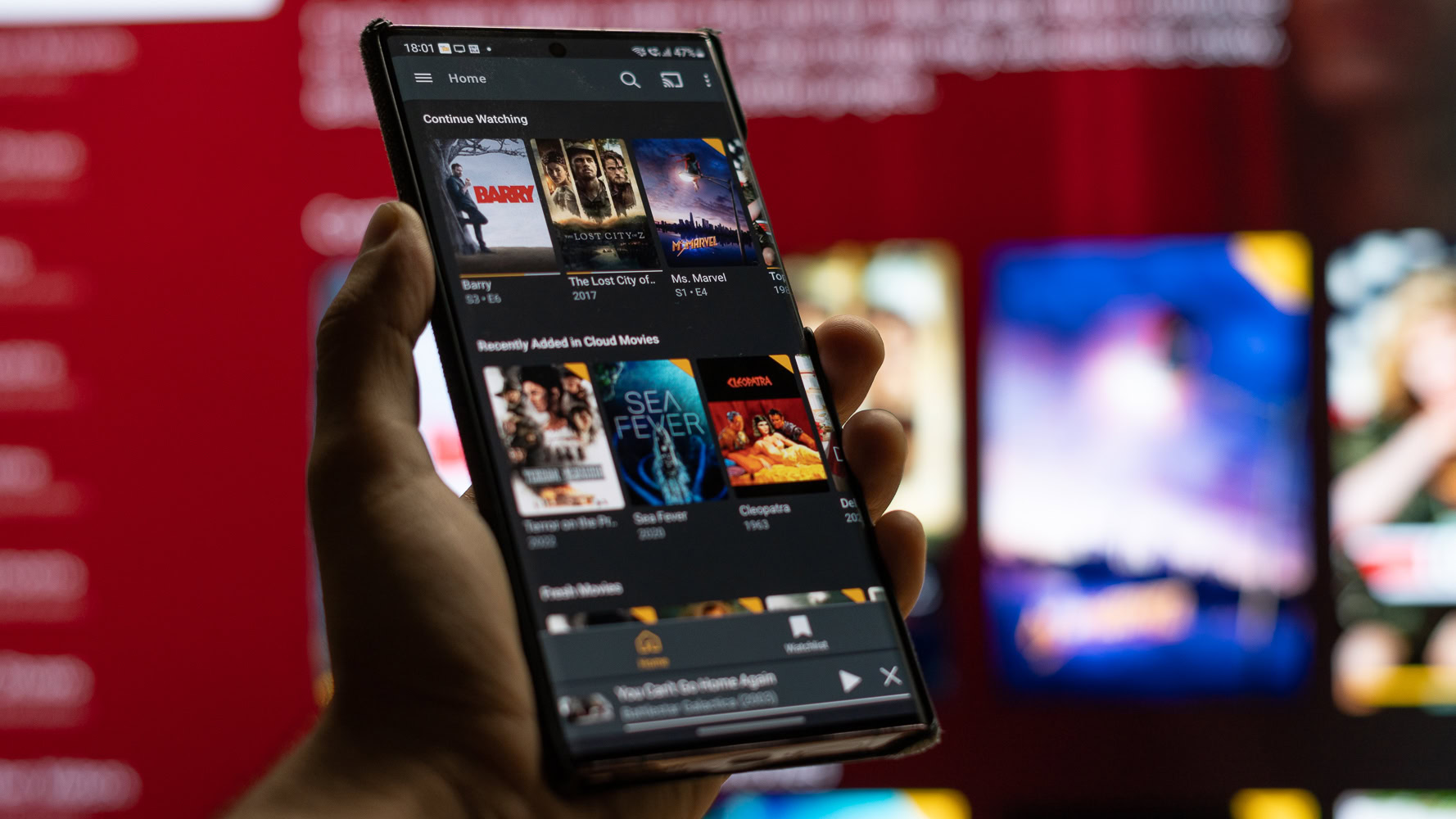
Yes, Jellyfin’s interface is less polished than Plex’s. Some clients are still maturing, and setting up remote access requires a bit more technical know-how (like configuring reverse proxies or SSL certificates). But for anyone comfortable with self-hosting, these are minor hurdles compared to the long-term savings and freedom.
Jellyfin’s Advantages: More Than Just Price
Beyond the absence of subscriptions, Jellyfin offers several concrete benefits that Plex cannot match:
- Data Privacy: Jellyfin has no cloud telemetry. Plex has been known to collect statistics on your library. With Jellyfin, nothing leaves your server unless you allow it.
- Customizability: Because the code is open-source, you can tweak nearly every aspect of the experience. Plugins, themes, and scripts let you tailor the system to your exact needs.
- No Content Lock-In: You’re not tied to any company’s roadmap. If the developers take a wrong turn, the community can fork the project and continue development.
- Live TV and DVR: Both Plex and Jellyfin support live TV, but Jellyfin does so without requiring a subscription for features like streaming TV to mobile devices.
For me, the bottom line is clear: I’d rather spend my money on storage upgrades or a faster internet connection than on a recurring fee for software that should be a one-time setup.
Final Thoughts: The Future of Self-Hosted Media
Plex’s price hikes are unlikely to stop, given the company’s pivot toward becoming a media portal rather than a pure self-hosting tool. For users who value ownership, privacy, and cost control, alternatives like Jellyfin are not just viable—they’re superior. My decision to switch years ago now feels less like a risk and more like an investment in a future where I control my own content.
If you’re tired of paying to stream your own movies, consider making the leap. The learning curve is gentle, the community is helpful, and the savings add up fast. After all, the whole point of self-hosting is to free yourself from subscriptions—not to trade one bill for another.