Isomorphic Labs Nears $2 Billion Funding Round to Advance AI-Driven Drug Discovery
Isomorphic Labs' AI Drug Discovery Ambitions
Isomorphic Labs, the Alphabet subsidiary focused on applying artificial intelligence to pharmaceutical research, is reportedly in advanced discussions to secure a new funding round exceeding $2 billion. According to sources familiar with the matter, the investment would be led by Thrive Capital, a backer of OpenAI and an existing investor in Isomorphic Labs. If finalized, this round would mark one of the largest private financings in the AI-drug discovery space, underscoring the growing confidence in machine learning to revolutionize how medicines are developed.
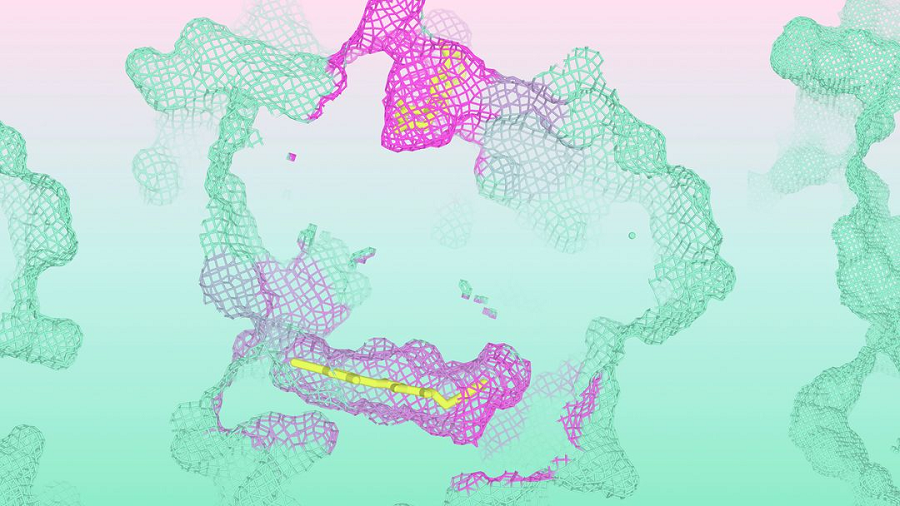
Founded in 2021 and led by DeepMind CEO Demis Hassabis, Isomorphic Labs aims to use AI models to predict molecular interactions and accelerate the identification of viable drug candidates. The company builds on breakthroughs such as AlphaFold, which predicts protein structures, to target diseases that have been difficult to treat with conventional methods.
The Role of Thrive Capital and Existing Investors
Thrive Capital, which previously participated in Isomorphic’s earlier rounds, is expected to anchor the new fundraising. The firm has been a prominent investor in AI startups, including OpenAI, and its continued backing signals strong faith in Isomorphic’s technology and business model. Other existing investors, including Alphabet itself and additional venture partners, are also anticipated to participate
This funding comes as Alphabet continues to support its portfolio companies in the life sciences sector. In 2023, Isomorphic Labs secured an undisclosed amount from a Series A round that valued the company at over $3 billion. The new capital would provide substantial resources to scale its platform and expand into new therapeutic areas.
How AI is Transforming Pharmaceutical Research
The pharmaceutical industry has long struggled with high costs and low success rates. Developing a new drug typically takes over a decade and costs billions of dollars, with most candidates failing in clinical trials. AI offers the promise of drastically cutting these timelines by simulating how potential compounds interact with biological targets, thereby reducing the need for lab experiments.
Isomorphic Labs is at the forefront of this shift, leveraging large language models and reinforcement learning to generate novel molecules. Unlike traditional screening methods that test thousands of compounds, Isomorphic’s system can propose optimized candidates from scratch, potentially shortening the discovery phase from years to months.
Isomorphic's Approach vs. Competitors
The AI-drug discovery space has become crowded, with companies like Recursion Pharmaceuticals, Insilico Medicine, and BenevolentAI also vying for dominance. However, Isomorphic Labs holds a distinct advantage due to its deep ties with DeepMind and access to Alphabet’s vast computational infrastructure. Its models are trained on enormous datasets from sources like the Protein Data Bank and internal simulations, giving it unique predictive power.
Competitors often focus on specific disease areas or repurposing existing drugs, while Isomorphic aims to tackle novel targets with high unmet need, such as those related to neurodegenerative disorders and rare genetic conditions. The new funding would allow it to run more extensive wet-lab validations, a critical step to convince Big Pharma partners.

Implications for Alphabet and the Healthcare Sector
Alphabet’s commitment to Isomorphic Labs reflects its broader bet on health technology. Through subsidiaries like Verily (life sciences) and Calico (aging research), Alphabet has invested billions in using data and AI to reshape medicine. Isomorphic Labs serves as the AI engine for molecular discovery, potentially creating synergies across these entities.
Success in attracting such a large funding round also sends a strong signal to the market about the viability of AI in drug development. It could spur further investments into similar startups and encourage traditional pharmaceutical companies to accelerate partnerships with AI firms.
What the New Funding Will Enable
With over $2 billion, Isomorphic Labs plans to expand its research team, purchase additional computational resources, and forge deeper collaborations with academic institutions and biotech firms. The company is also expected to start its own preclinical pipeline, potentially advancing candidates into clinical trials within the next few years.
Furthermore, the capital will be used to refine its AI foundation models, making them more robust for real-world drug design. This includes developing tools that can predict not only binding affinity but also toxicity, pharmacokinetics, and synthesis pathways—all crucial for successful drug development.
Conclusion
If the reported $2 billion round materializes, it would position Isomorphic Labs as one of the best-capitalized AI-drug discovery companies in the world. For Alphabet, it’s a strategic move to maintain leadership at the intersection of AI and life sciences. For patients, it represents hope that new medicines can be discovered faster, cheaper, and with higher success rates. While challenges remain—including proving its models in clinical trials—the influx of capital places Isomorphic Labs in a strong position to drive meaningful change.