Navigating the Shadow AI Challenge: Enterprise Governance in 2026
In 2026, a curious paradox defines enterprise artificial intelligence: the tools employees reach for every day have sprinted far beyond the policies meant to govern them. This gap is not accidental—it stems from a relentless push for productivity that outpaces risk management. While legal and IT teams craft careful guardrails, engineers, analysts, and product managers quietly adopt unauthorized AI solutions to meet deadlines and solve problems. This phenomenon, known as shadow AI, has become the dominant operational reality. Understanding its scale, causes, and consequences is essential for any organization hoping to harness AI effectively without falling into compliance traps.
What Exactly Is Shadow AI?
Shadow AI refers to the use of generative AI tools—such as ChatGPT, Claude, or Gemini—by employees without explicit approval from their company's IT or compliance departments. Unlike sanctioned tools that pass through enterprise data controls, shadow AI runs on personal accounts and unmanaged devices, bypassing governance frameworks entirely. This isn't a handful of rogue employees; surveys from IBM and Netskope show that 40 to 65 percent of enterprise workers admit to using unapproved AI tools. The practice is widespread across teams like engineering, product management, and analytics. Employees often paste sensitive data—client details, financial forecasts, proprietary code—into these tools to speed up tasks. Critically, most users don't see it as wrongdoing; they view it as simply getting the job done.
How Large Is the Shadow AI Problem in Numbers?
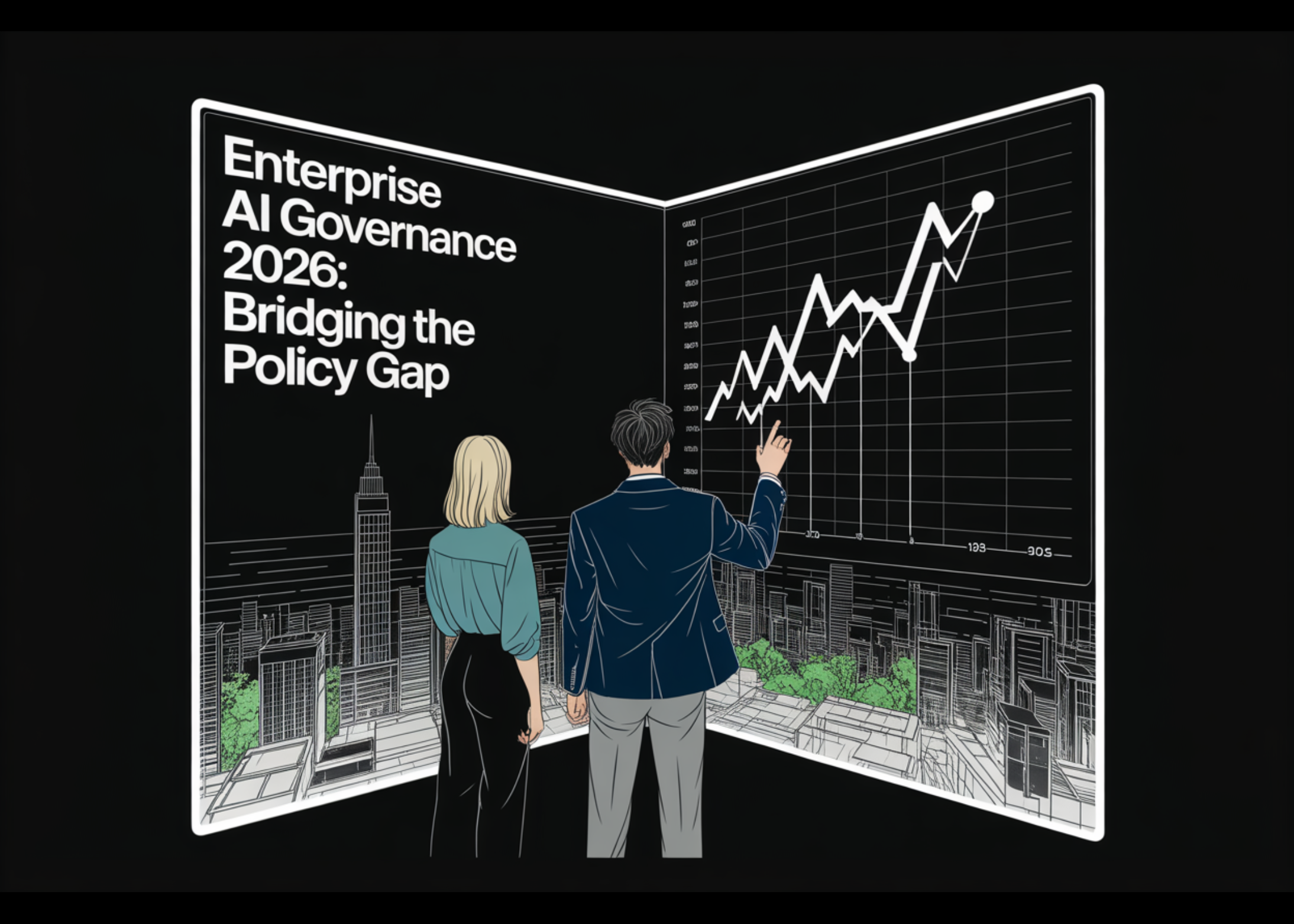
The numbers paint a stark picture. According to the 2025 IBM Cost of a Data Breach Report and the 2026 Netskope Cloud and Threat Report, between 40 and 65 percent of employees in large enterprises use AI tools their IT departments haven't approved. Netskope's data specifically reveals that 47 percent of all generative AI users in enterprise environments access tools through personal, unmanaged accounts—completely outside enterprise data controls. More troubling: over half of these users admit they've entered sensitive company data, including client information, financial projections, and proprietary processes. Yet fewer than 20 percent believe they did anything wrong. This isn't a rounding error—it's a systemic gap that leaves critical assets exposed every day.
Why Do Employees Bypass Official AI Policies?
The primary driver is productivity pressure. Imagine a semiconductor engineer copying source code into ChatGPT to debug errors faster, or a product manager pasting client financials into Claude to generate a board summary in minutes, or a team feeding meeting transcripts into a consumer AI tool to produce action items. These workers aren't acting against company interests—they're acting in them. They want to close tickets quickly, beat deadlines, and do more with the same hours. The governance gap isn't born from ignorance: many employees know a policy exists. In fact, 38 percent misunderstand the rules, and 56 percent say guidance is unclear. But even those who understand the rules often feel forced to break them to keep up. A policy that people routinely ignore isn't governance—it's a liability disclaimer.
Why Do Enterprise AI Policies Lag Behind Tool Adoption?
Policies lag because the speed of AI innovation far outstrips the typical approval cycle. Legal teams need months to draft, review, and approve an acceptable-use policy—coverage for data privacy, IP risk, bias, and compliance. Meanwhile, new AI tools and features emerge weekly. Employees waiting for official sign-off fall behind competitors. The result is a race: IT tries to build fences while workers already leap over them. Additionally, many policies are written reactively—addressing yesterday's incidents rather than today's realities. The Samsung semiconductor data leak of 2023 is a classic example: within 20 days of lifting a ChatGPT ban, three engineers inadvertently leaked sensitive data by debugging code, generating summaries, and querying proprietary info, showing that governance frameworks were completely unprepared for the velocity of use.
What Real-World Risks Does Shadow AI Present, Like the Samsung Incident?
The Samsung semiconductor data leak remains the most cited cautionary tale. In 2023, just 20 days after the company lifted its internal ChatGPT ban, three separate incidents occurred. An engineer pasted proprietary database source code into ChatGPT to check for errors. Another fed confidential meeting transcripts into the tool to generate action items. A third used it to analyze financial projections. All three actions were well-intentioned—aimed at saving time—but they exposed Samsung's core intellectual property to an open AI system, where data could be used for model training or leaked. This isn't an anomaly; it's a preview. Similar risks now appear daily across industries. When employees use personal accounts, organizations lose visibility into data flows, often violating regulations like GDPR or trade secret laws without knowing it.
How Can Organizations Bridge the Governance Gap Effectively?
Bridging the gap requires a proactive, agile approach that matches the speed of AI adoption. Instead of blocking tools outright—which drives employees to shadow use—companies should create a sanctioned toolkit with approved AI platforms that have built-in data controls. Offer clear, simple guidelines: what data can be entered, which tools are allowed, and how to report concerns. Implement real-time monitoring for unauthorized usage, combined with nudges and training—not just penalties. Many employees want to follow the rules but lack clarity; providing role-specific examples (e.g., “for engineers: never paste source code, use our internal debugger AI”) helps. Finally, involve employees in policy design: their productivity needs must be heard, or they'll continue finding workarounds. Governance should enable safe innovation, not stifle it.