6 Revolutionary Facts About Making Cement from a Different Rock to Cut CO2
Cement production is a hidden giant in the climate crisis, responsible for about 8% of global carbon dioxide emissions. While industries rush to electrify and improve efficiency, cement faces a stubborn chemical hurdle: the very process of turning limestone into lime releases CO2 as a byproduct. But a groundbreaking study in Communications Sustainability suggests a radical fix—using a completely different type of rock. This isn't just tweaking the recipe; it's rewriting the chemistry of concrete. Here are six key insights into how swapping limestone for an alternative could clean up one of the world's dirtiest industries.
1. The Emissions Monster: Why 8% Matters
Cement manufacturing accounts for nearly a tenth of all human-made CO2 emissions. That's more than the entire aviation industry. The problem is twofold: burning fossil fuels to heat kilns and the unavoidable chemical reaction inside limestone (calcium carbonate) when it's heated. In fact, the direct process emissions—the CO2 freed from the stone itself—are actually larger than the emissions from the fuel used to fire the kilns. This means even running the kilns on solar power wouldn't eliminate the carbon footprint. As global demand for concrete grows, finding a real solution has become urgent.
2. The Limestone Trap: Where the CO2 Comes From
Traditional Portland cement relies on limestone, a sedimentary rock rich in calcium carbonate (CaCO3). When heated to about 1,450°C, it decomposes into calcium oxide (lime) and carbon dioxide gas. That released CO2 is the core of the direct process emissions. The chemistry is deceptively simple: CaCO3 → CaO + CO2. Every ton of cement produced emits roughly a ton of CO2 from this step alone. Adding clay or coal ash to the mix to create the final cement doesn't stop the gas from escaping. The industry has long accepted this as an unavoidable cost—until now.
3. A Different Rock: Swapping Limestone for Silicates
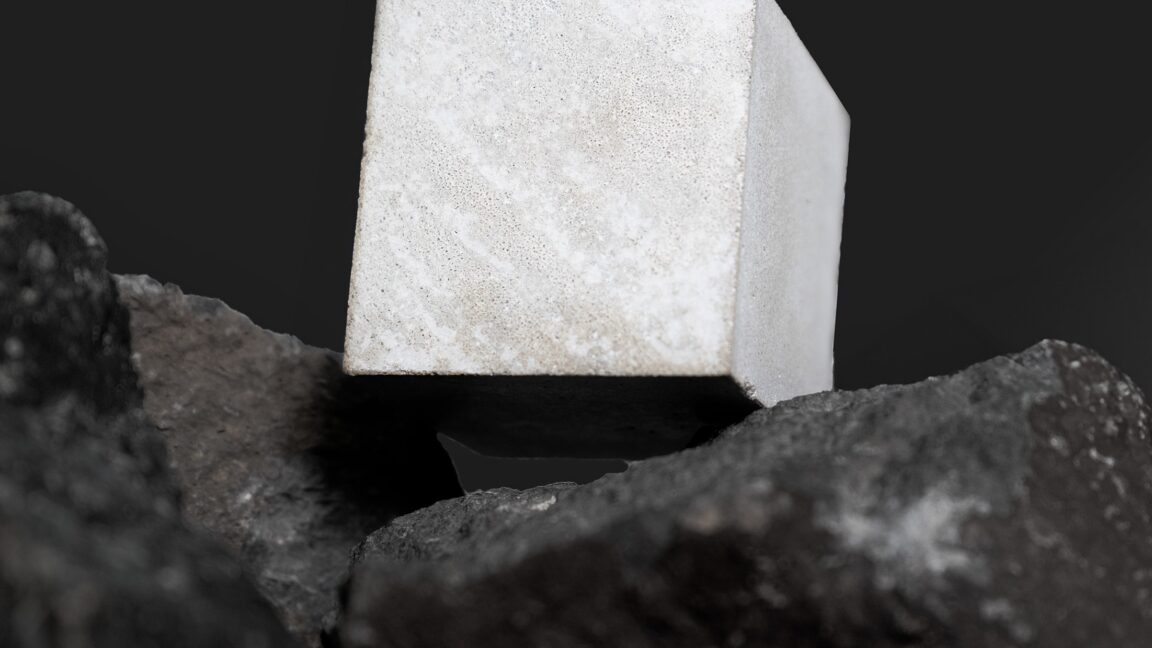
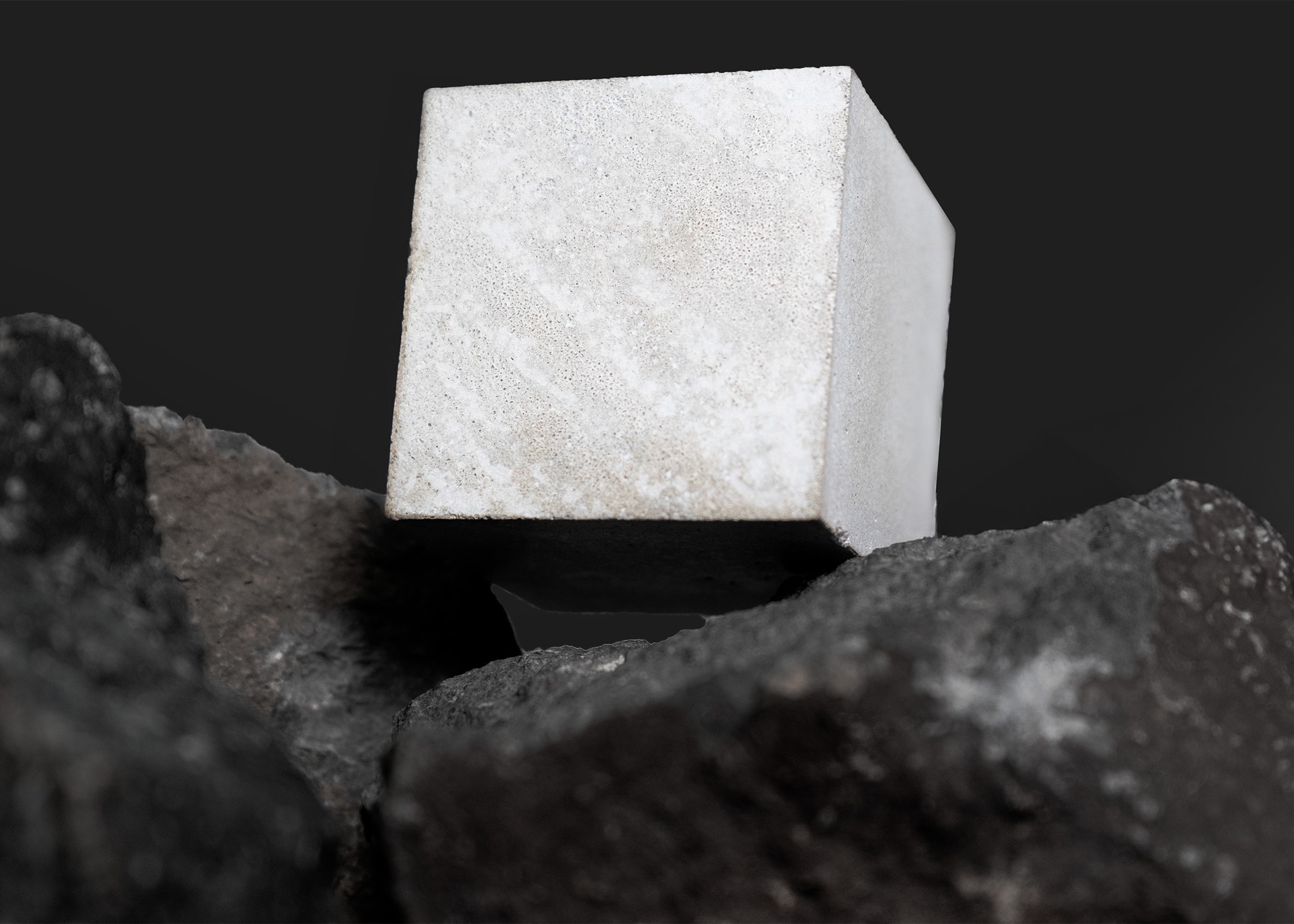
The new approach, detailed in Communications Sustainability, proposes replacing limestone with calcium silicate rocks. Unlike carbonates, silicates don't contain carbon in their molecular structure. When calcium silicate is processed, it can yield the same lime needed for cement without liberating CO2. Instead, the byproduct is a solid material like silica, which can be used in other industries. This means the direct process emissions vanish entirely. The research suggests that rocks such as wollastonite (a calcium silicate mineral) could be a viable alternative, though they are less abundant than limestone.
4. How the New Process Cuts CO2 Emissions
In the alternative method, calcium silicate is heated in a slightly different process that doesn't require decomposition into CO2. Instead of breaking carbonate bonds, the reaction forms different compounds. For example, wollastonite (CaSiO3) can be combined with calcium hydroxide or other materials to produce cementitious compounds without releasing any carbon gas. The energy needed for heating might still come from fossil fuels, but the elimination of chemical CO2 emissions cuts the total carbon footprint by about 60-70%. If the kilns can be electrified with clean energy, near-zero emission cement becomes possible.
5. Challenges: Supply, Cost, and Scale
Every alternative material faces hurdles. Calcium silicate rocks are not as widespread as limestone, meaning new mining operations and supply chains would be needed. The cost of extracting and processing these rocks is currently higher than traditional limestone. Also, the resulting cement may have different properties—setting time, strength, or durability—that require adjustments in construction practices. The paper acknowledges that scaling up from lab tests to commercial production will take years of research and investment. However, pilot projects are already being discussed to test the feasibility in real-world concrete.
6. What's Next: From Laboratory to Global Impact
The study is a proof of concept that eliminating the chemical emissions from cement is possible. The next steps involve optimizing the process, finding the most suitable silicate deposits, and developing cost-effective manufacturing. Governments and investors are starting to take notice, with several cement companies exploring carbon-capture technologies as a parallel path. But the alternative-rock route offers a more direct elimination of the problem. If successful, it could reshape one of the most carbon-intensive industries on Earth. The end of “Portland” cement may be on the horizon—and with it, a cleaner foundation for our built world.
Conclusion: The cement industry doesn't have to be a climate villain. By rethinking the bedrock ingredient—literally—the new research shows we can bypass the chemical reaction that causes most of its emissions. Switching from limestone to calcium silicate won't be easy, but it addresses the core issue rather than just treating symptoms. The path to green concrete is no longer a distant dream; it's a scientific reality waiting for industrial scale. As the world races to cut carbon, sometimes the most powerful changes start with the rocks beneath our feet.