Cambrian Fossil Discovery Unveils Secrets of Earth’s First Complex Life
Approximately 540 million years ago, just as the Cambrian Period began, Earth’s oceans teemed with life forms that seem both alien and oddly familiar. A newly uncovered fossil site provides an extraordinary window into this ancient world, revealing creatures that challenge our understanding of early evolution. This treasure trove of Cambrian fossils is rewriting the story of how complex life emerged and diversified.
The Cambrian Explosion of Life
The Cambrian Period (541–485 million years ago) marked a pivotal time in Earth’s history. Known as the “Cambrian explosion,” it saw a rapid proliferation of multicellular organisms, many of which had hard shells and skeletons. But before these complex body plans evolved, the world’s oceans were dominated by soft-bodied creatures that rarely left fossils. The new fossil find preserves these delicate organisms in stunning detail, offering a rare glimpse into the earliest stages of animal evolution.
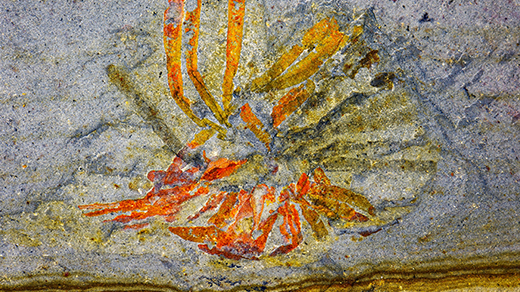
At this time, the planet was mostly ocean, with few landmasses. The shallow seas teemed with a bizarre assortment of life. Some creatures burrowed through the sediment, while others swam or floated in the water column. The ecosystem was a testing ground for body designs that would later become extinct or evolve into modern lineages.
A Menagerie of Strange Creatures
The fossil beds have yielded a menagerie of oddities. One of the most peculiar inhabitants was a small, phallic-looking worm that rummaged through ocean-floor sediments, likely feeding on organic debris. Its simple body plan hints at early forms of annelids or priapulid worms, groups that still exist today.
Another remarkable find is a blind swimming beast equipped with long, whip-like tentacles. This creature likely used its tentacles to ensnare small prey, drifting through the dark waters. Its lack of eyes suggests it lived in deep or murky environments where vision was unnecessary—an adaptation that speaks to the diversity of niches already present.
Early versions of modern animal groups also appear in these deposits. Primitive mollusks with simple shells crept along the seafloor, while sponges anchored themselves to hard substrates. Jellyfish pulsed through the water, their soft bodies preserved as faint impressions in the rock. Together, these fossils paint a picture of a vibrant, complex ecosystem that predates the more famous Cambrian sites like the Burgess Shale.
The Significance of the Fossil Bed
What makes this discovery a true treasure trove is its extraordinary preservation. Soft tissues rarely fossilize because they decay quickly. However, specific conditions—such as rapid burial in fine sediment with low oxygen levels—can halt decomposition, leaving behind detailed impressions. This new site appears to have been such a “soft-bodied lagerstätte,” comparable to other famous fossil deposits around the world.
The abundance and diversity of fossils at this site allow scientists to reconstruct ancient food webs and ecological relationships. For instance, the blind swimming beast likely was a predator, while the worm scavenged or fed on microbial mats. Jellyfish and sponges indicate filter-feeding lifestyles. This complexity suggests that even early in the Cambrian, ecosystems were highly organized.
Rewriting Early Life History
This discovery forces paleontologists to reconsider timelines for the evolution of certain body plans. Some features seen in these fossils were previously thought to have evolved later. For example, the whip-like tentacles of the swimming beast resemble those of modern cnidarians (jellyfish, corals), but their presence in a bilaterally symmetrical animal challenges existing classifications. Such finds blur the lines between major animal groups and suggest that evolutionary experimentation was rampant.
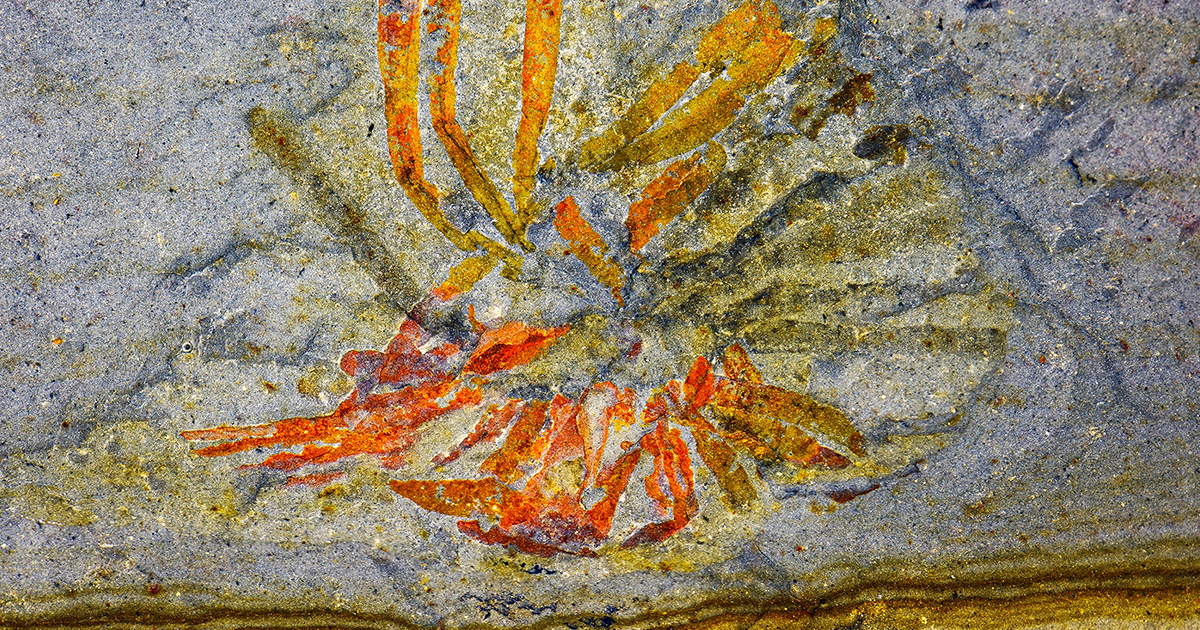
Moreover, the site indicates that the Cambrian explosion may have been even more rapid and widespread than assumed. The fossil record from this period is patchy; each new discovery fills in gaps and refines our understanding of how life diversified after the Ediacaran Period.
What These Fossils Tell Us About Evolution
Beyond cataloging weird creatures, the fossils provide insights into the drivers of early animal evolution. The presence of predators (like the tentacled beast) likely spurred the development of defensive structures, such as shells and spines, which become more common in later Cambrian rocks. This “evolutionary arms race” is a key theme in the story of life.
Additionally, the variety of feeding strategies—predation, scavenging, filter-feeding, grazing—shows that ecological niches were already partitioning resources. This division of labor probably increased biodiversity and allowed more species to coexist, a pattern seen in modern ecosystems.
The Role of Soft-Bodied Fossil Preservation
The exceptional preservation at this site relies on a combination of factors: rapid burial by volcanic ash or sediment, anoxic conditions that prevent bacterial decay, and fine-grained sediments that record even the smallest features. These conditions are rare, which is why soft-bodied fossils are so scarce. Every such find is a scientific goldmine, offering a direct look at life forms that would otherwise be lost to time.
Conclusion: Ongoing Discoveries
The cache of Cambrian fossils described here is still being excavated and analyzed. Paleontologists expect that further work will reveal even more species and evolutionary relationships. As techniques improve—such as CT scanning and chemical analysis—these ancient remains will continue to yield secrets.
Understanding early life is not just about satisfying curiosity; it helps us grasp the deep roots of modern biodiversity and the processes that shape life on Earth. Each new fossil site adds a piece to the puzzle, and this treasure trove promises to be a key piece in the Cambrian story.
For those interested in exploring more, see our articles on the Cambrian explosion and other strange Cambrian creatures.