10 Game-Changing Outcomes from the Santa Marta Fossil Fuel Transition Summit
The historic Santa Marta conference marked a turning point in global efforts to move beyond fossil fuels. Held in Colombia from April 24-29, this first-of-its-kind summit brought together 57 nations representing a third of the global economy. Against a backdrop of war, oil price volatility, and intensifying climate disasters, ministers and envoys engaged in frank, closed-door talks to identify real-world barriers and solutions. Here are the top ten takeaways that are shaping the post-fossil fuel era.
1. The Summit's Genesis: From COP30 Tensions to Santa Marta
The idea for a dedicated fossil-fuel transition conference emerged during heated negotiations at COP30 in Belém, Brazil. A group of about 80 nations pushed for a formal “roadmap” away from fossil fuels in the final text, but consensus proved elusive. In response, Colombia and the Netherlands jointly announced they would co-host a special summit in Santa Marta, shifting the focus from political wrangling to practical dialogue. The Brazilian COP presidency pledged to build on these discussions to create an “informal” roadmap, bridging the gap between ambition and action.
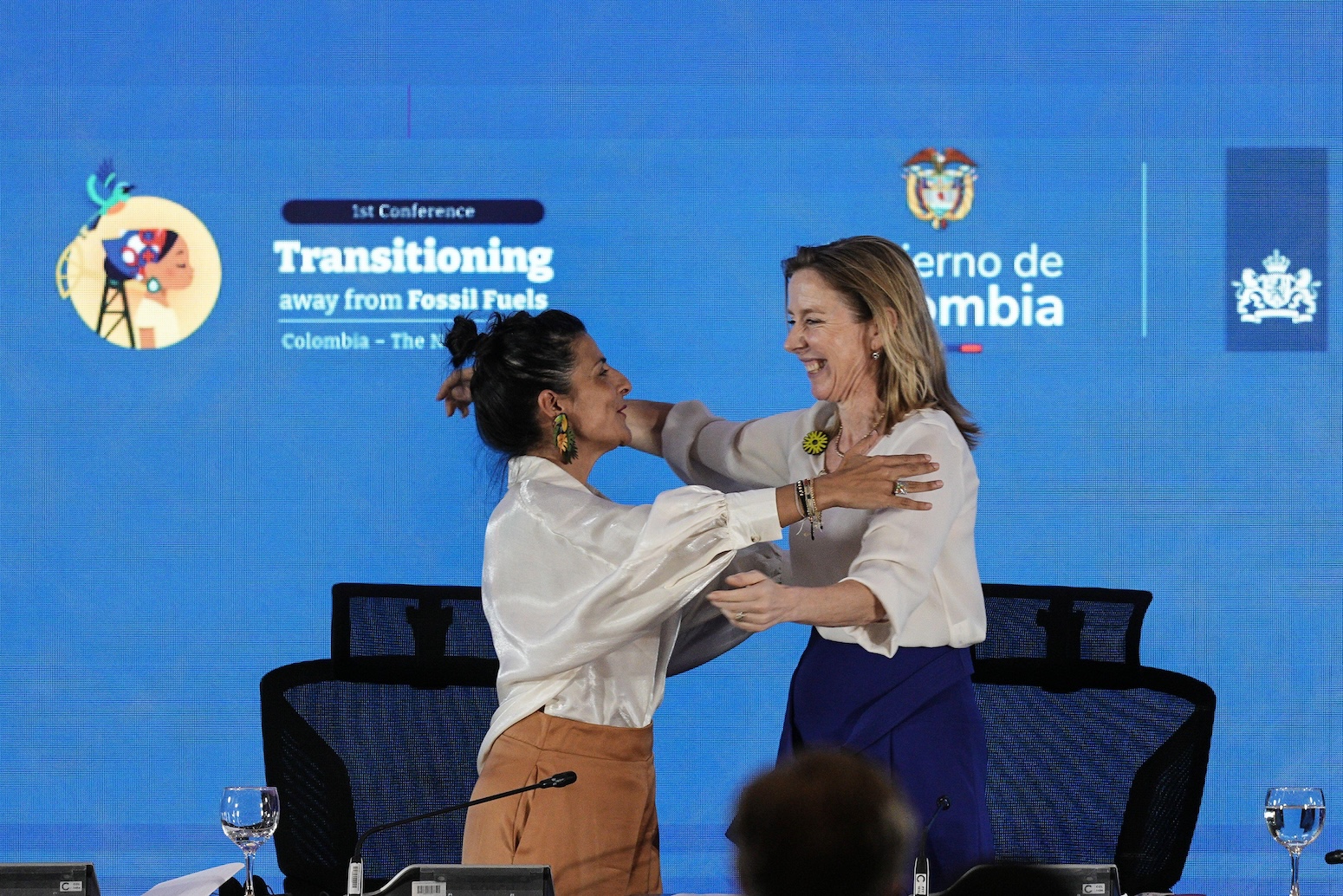
2. Unprecedented Participation: 57 Countries Representing One-Third of the Global Economy
Attendance at Santa Marta was notable both for its size and diversity. Fifty-seven nations—spanning developed, developing, and small island states—participated, collectively accounting for roughly one-third of the world's economic output. This broad representation underscored the shared urgency of moving away from coal, oil, and gas. Delegates came not only from governments but also from subnational entities, parliamentarians, and civil society groups, ensuring a multi-level approach to the transition.
3. A New Format: Closed-Door Diplomacy and Frank Conversations
The summit’s format broke away from traditional UN-style plenaries. Instead, ministers and envoys sat together in small meeting rooms for open, confidential exchanges about the real obstacles they face—such as political opposition, fossil fuel subsidies, and lack of clean energy infrastructure. Participants described the sessions as “refreshing” and “groundbreaking.” This intimate setting allowed for honest dialogue without the pressure of public posturing, leading to more actionable outcomes.
4. Science at the Forefront: Pre-Conference and New Advisory Panel
Before the high-level talks, a “science pre-conference” gathered 400 academics from diverse fields—including climatology, economics, and energy policy. They launched a new science panel designed to provide agile, bespoke analysis to countries seeking to accelerate their transition. Colombian Environment Minister Irene Vélez Torres, a former academic, stressed the critical role of evidence-based decision-making. This panel will offer rapid-response assessments on topics like renewable integration and just transition strategies.
5. Concrete Outcomes: National Roadmaps and New Policy Tools
The most tangible result of the summit was an agreement by participating countries to develop national roadmaps away from fossil fuels. These roadmaps will outline phased reduction targets, timelines, and investment needs. Additionally, nations gained access to new tools to address harmful fossil fuel subsidies and carbon-intensive trade practices. A dedicated “Action Insights Report” synthesized best practices from early movers, helping others design effective policies tailored to their contexts.
6. Leadership from Colombia and Netherlands: Driving the Agenda
Colombia and the Netherlands co-designed the summit and set its ambitious tone. Colombia, as a major fossil fuel producer, demonstrated that resource-dependent countries can lead the transition. The Netherlands, with its experience in energy transition and diplomacy, provided strategic support. Together, they ensured that the conference remained focused on actionable steps rather than vague promises. Their joint leadership also highlighted the importance of North-South cooperation in climate action.

7. Addressing Fossil Fuel Subsidies and Carbon-Intensive Trade
A key theme was the need to eliminate subsidies that keep fossil fuels artificially cheap. Many participants shared successful examples of subsidy reform, coupling it with social safety nets to protect vulnerable communities. Another breakthrough was the development of new mechanisms to handle carbon-intensive trade, such as border adjustments or green procurement standards. These tools aim to level the playing field for clean energy and prevent carbon leakage.
8. Indigenous and Civil Society Voices: Inclusion in the Transition
Santa Marta made a deliberate effort to include indigenous leaders and civil society organizations. These groups highlighted how fossil fuel projects often violate land rights and exacerbate inequality. Their contributions shaped discussions on just transition, ensuring that the shift to clean energy benefits all, not just a few. The summit acknowledged that meaningful climate action must incorporate local knowledge, environmental justice, and community-led solutions.
9. The Road Ahead: Tuvalu and Ireland to Host 2027 Summit
At the final session, Tuvalu and Ireland were announced as co-hosts of the second “transitioning away from fossil fuels” summit, scheduled for 2027 in the Pacific island nation of Tuvalu. This choice symbolizes the urgency for small island developing states, which are on the front lines of climate impacts. Ireland’s role as a bridge between developed countries and island states suggests that future talks will maintain a balance of perspectives and priorities.
10. Implications for Global Climate Action and COP30
Santa Marta set a precedent for focused, results-oriented diplomacy. While the summit itself was informal, its outcomes are expected to feed directly into the COP30 process. The Brazilian presidency has already committed to using the Santa Marta discussions to craft an informal global roadmap. Moreover, the new science panel and national roadmaps provide concrete tools that can accelerate emission reductions beyond what current Paris Agreement pledges promise. The message from Santa Marta is clear: the transition away from fossil fuels is not only necessary but possible with collaborative, evidence-based action.
Conclusion: The Santa Marta summit proved that breaking away from traditional negotiation formats can yield tangible progress. By combining science, inclusive dialogue, and clear national commitments, the 57 countries have laid a foundation for a cleaner, more equitable energy future. As the world looks toward COP30 and the 2027 follow-up in Tuvalu, the lessons from this Colombian coastal city will guide the next phase of the fossil fuel phase-out.